The LNG Expansion Paradox: Balancing Growth and Energy Security
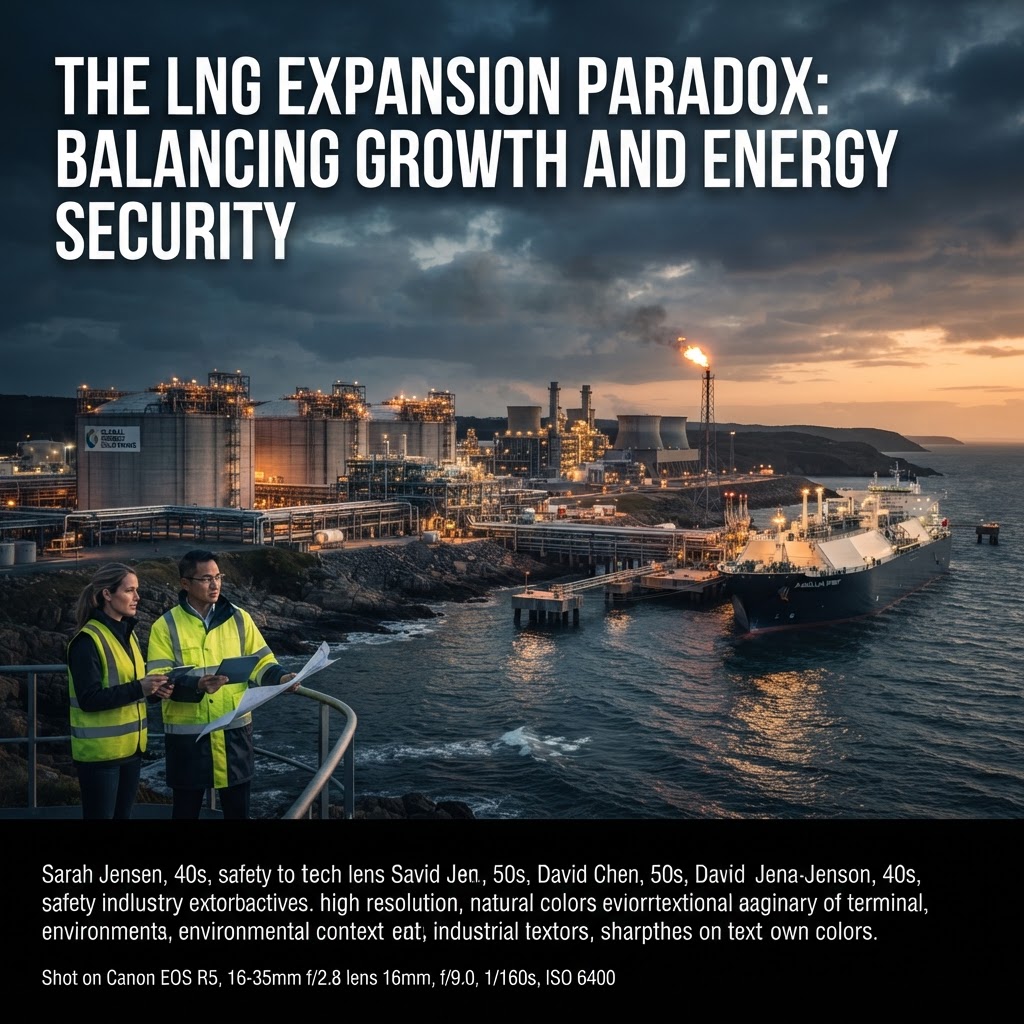
Shell’s recent commitment to the $23 billion LNG Canada expansion highlights the enduring role of natural gas in the global energy transition.
The recent decision by Shell and its partners to back the $23 billion expansion of LNG Canada is a significant signal to the global market. It reinforces the reality that despite the rapid growth of renewables, natural gas remains the indispensable bridge fuel for the global energy transition. For engineering consultancies and project developers, this move validates the long-term investment thesis for large-scale liquefaction infrastructure.
Engineering for the Future
However, such massive capital commitments come with heightened scrutiny regarding carbon intensity. The engineering challenge of the next decade is not merely to build capacity, but to build 'cleaner' capacity. This involves integrating carbon capture and storage (CCS) at the design phase and optimizing liquefaction processes to minimize methane leakage. As we advise our clients in the Middle East and Europe, the integration of these technologies is no longer optional; it is a prerequisite for securing project financing and maintaining a social license to operate.
Strategic Implications for the GCC
The Middle East is uniquely positioned to lead this evolution. With vast natural gas reserves and a growing appetite for hydrogen and ammonia production, the region can leverage its existing LNG expertise to pioneer low-carbon gas value chains. The key to success lies in strategic partnerships that bridge the gap between European demand and Middle Eastern supply. By focusing on infrastructure that is 'future-proofed' for hydrogen blending, developers can ensure that today’s multi-billion dollar investments remain viable in a net-zero future. At Atticus Energy, we emphasize that the transition is not about abandoning hydrocarbons, but about engineering them into a sustainable component of the global energy mix.
Source: https://www.cnbc.com/oil-gas/