Navigating the New Normal: Middle East Energy Infrastructure Resilience
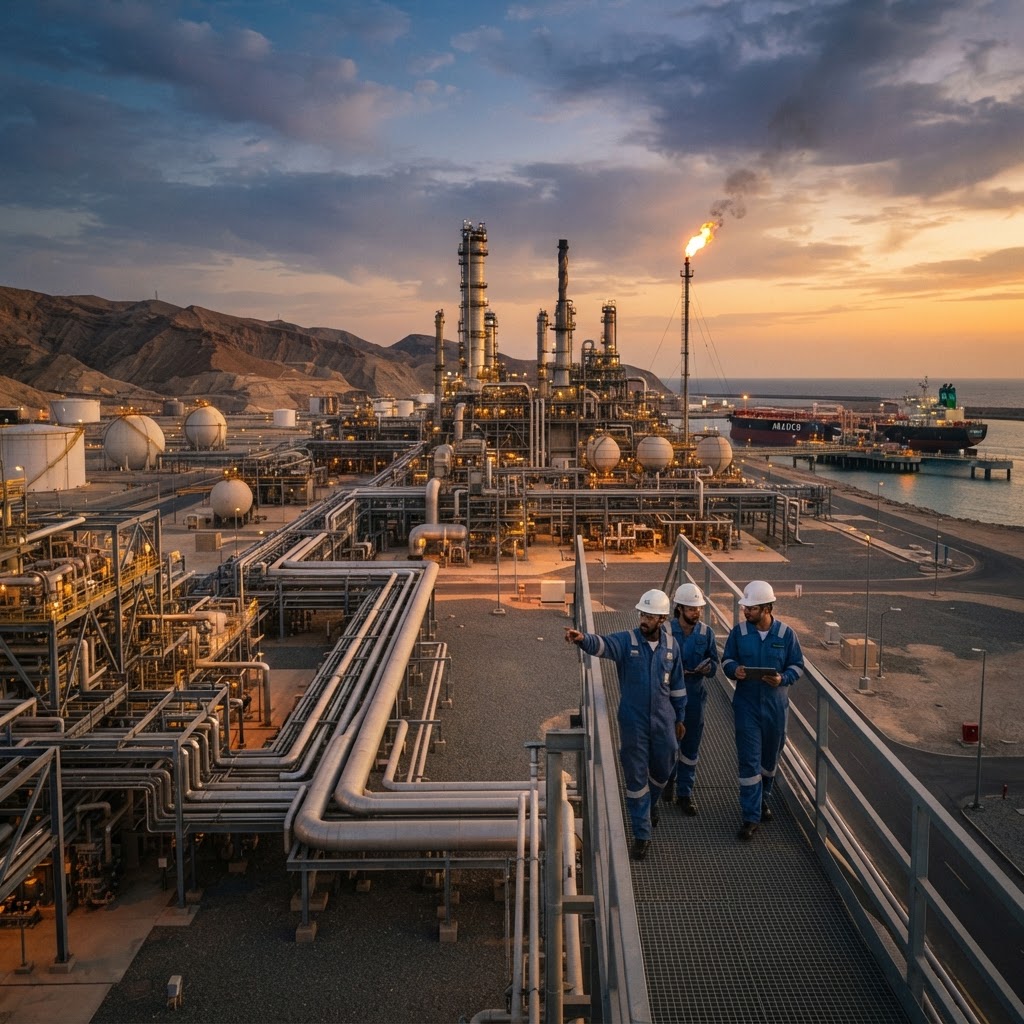
As regional energy exports fluctuate amidst geopolitical tensions, the focus for project delivery must shift toward modularity, security, and strategic asset diversification.
The recent data indicating that Middle East oil exports have reached pre-war levels for parts of September 2026 is a testament to the remarkable resilience of the region's energy infrastructure. However, as consultants working on the front lines of project delivery, we must look beyond the headline figures. The reality on the ground remains complex, with ongoing disruptions to transit routes and the persistent threat of tanker attacks creating a volatile operational environment for operators and EPC contractors alike.
Strategic Modularity in Project Delivery
For our clients in the GCC, the current climate necessitates a fundamental rethink of capital investment strategies. We are seeing a clear trend toward the decentralization of infrastructure. The recent $1.75 billion contract awards to McDermott for projects in the UAE and Cyprus highlight a critical shift: the move toward developing integrated gas caps and offshore hubs that can operate with greater autonomy. By prioritizing modular, heavy-lift offshore installations, operators are effectively building redundancy into their supply chains, ensuring that production can continue even when traditional transit corridors face pressure.
From an engineering perspective, this requires a shift in how we approach Front-End Engineering Design (FEED). We are no longer just designing for maximum throughput; we are designing for survivability and rapid deployment. The integration of advanced subsea production systems, as seen in recent regional developments, allows for a more agile response to market shifts. For Atticus Energy, this means our advisory services must now place a heavier emphasis on risk-adjusted project scheduling and the integration of security-by-design principles into the earliest stages of the project lifecycle.
Capital Allocation and Future-Proofing
Beyond the technical engineering challenges, the financial landscape is evolving. As noted in recent market research, we expect a revival of IPOs and listings in the energy sector as fiscal revenues from higher gas prices provide the liquidity needed for giga-projects. However, capital is becoming more discerning. Investors are looking for projects that demonstrate not only high returns but also a clear path toward energy transition integration. Whether it is carbon capture readiness or the electrification of offshore platforms, the projects that will secure funding in the coming years are those that balance immediate production needs with long-term decarbonization mandates. As we advise our clients, the goal is to build assets that are not only profitable today but are also resilient enough to thrive in the energy landscape of 2040.