Navigating the Strait: Engineering Resilience in a Volatile Middle East
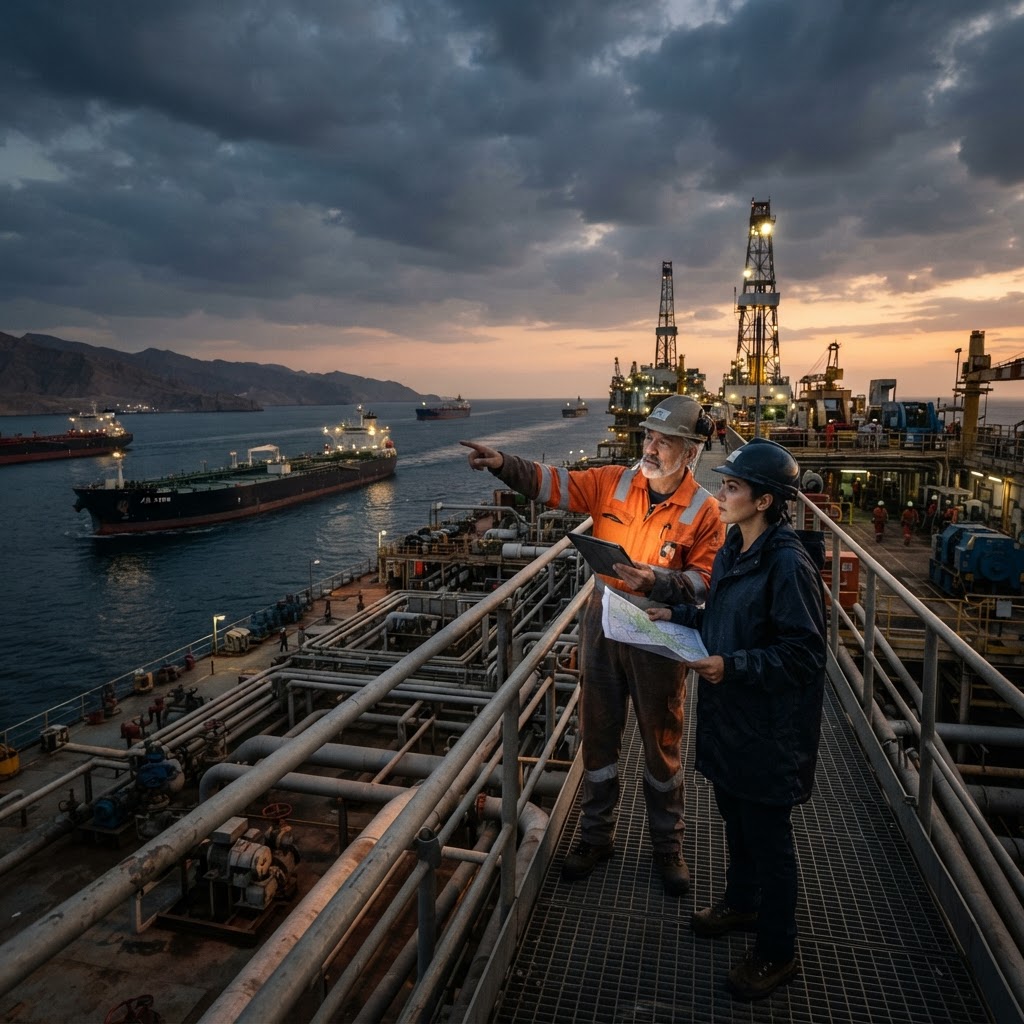
As geopolitical tensions continue to disrupt the Strait of Hormuz, Atticus Energy examines the urgent shift toward infrastructure diversification and the engineering challenges of securing energy supply chains.
The recent and sustained disruptions to shipping through the Strait of Hormuz have fundamentally altered the risk profile for global energy projects. For engineering consultancies and project developers operating in the Middle East, the era of relying on traditional, singular export routes is effectively over. As we observe the current market volatility, it is clear that capital investment strategies must pivot toward infrastructure resilience and redundancy.
The Engineering Imperative for Redundancy
The current blockade and subsequent supply shocks have forced a re-evaluation of midstream assets. We are seeing a significant push for new pipeline routes that bypass the Strait, alongside an urgent need for enhanced storage capacity at both origin and destination points. For our clients, this means that project delivery timelines must now account for complex, multi-modal logistics and the hardening of critical infrastructure against asymmetric threats.
From an engineering perspective, the focus is shifting from pure throughput optimization to system survivability. This involves integrating advanced monitoring systems, decentralized power generation for remote facilities, and modular construction techniques that allow for rapid deployment in high-risk environments. The capital expenditure required for these upgrades is substantial, but it is a necessary cost of doing business in a region where energy security is now synonymous with national security.
Strategic Implications for Project Delivery
Beyond the technical requirements, the labor market is tightening as regional reconstruction projects compete with new oil and gas developments for specialized talent. With estimates suggesting tens of billions in CapEx are currently being reprioritized, project managers must adopt more agile procurement strategies. The ability to secure long-lead items and maintain a stable workforce in a competitive environment will be the primary differentiator for successful project delivery in the coming years.
At Atticus Energy, we advise our partners to integrate geopolitical risk modeling directly into their front-end engineering design (FEED) processes. By anticipating potential disruptions and designing for flexibility, operators can mitigate the impact of regional instability. The transition to a more resilient energy architecture is not merely a defensive measure; it is a strategic opportunity to lead in the development of the next generation of secure, reliable energy infrastructure.