Navigating Volatility: The Strategic Imperative for Middle East Energy Security
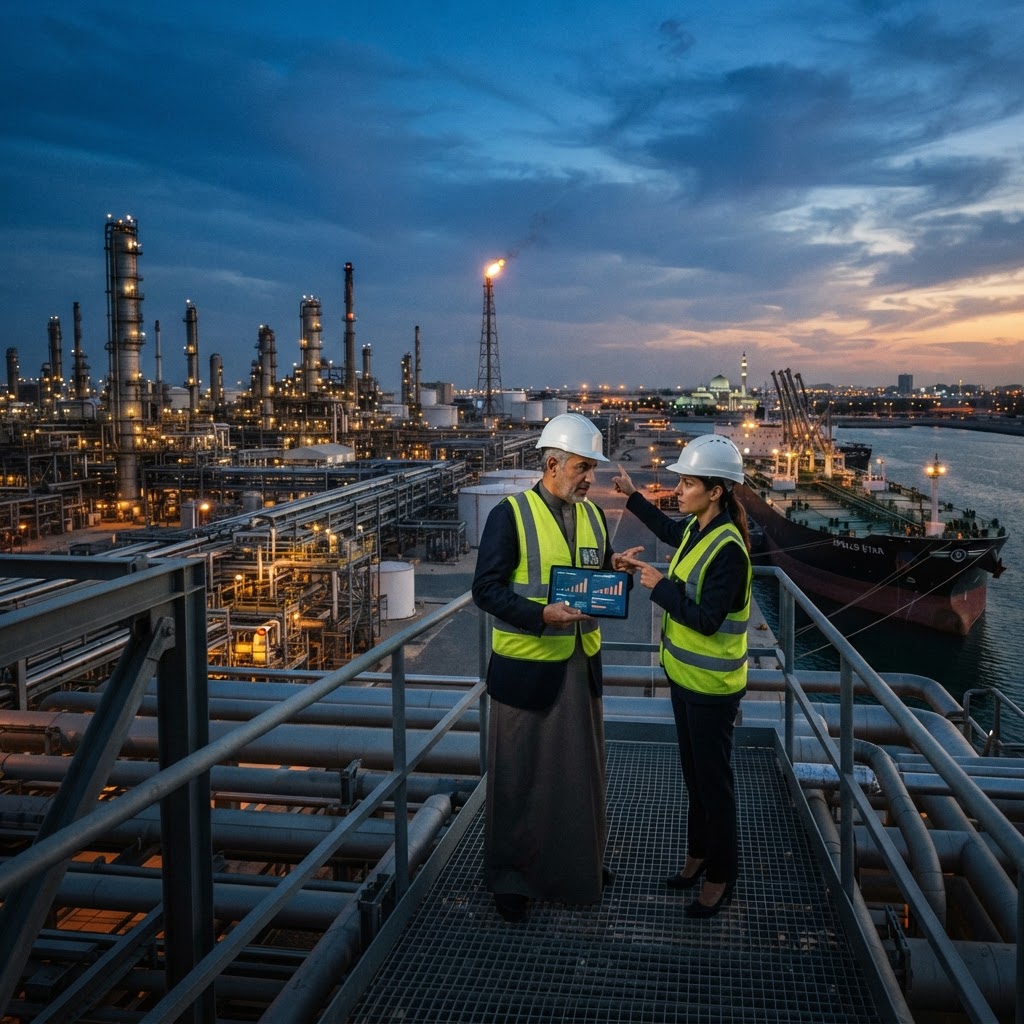
As oil prices hit five-month highs amid regional tensions, Atticus Energy examines the critical need for resilient infrastructure and diversified export strategies in the GCC.
The recent surge in global oil prices to five-month highs serves as a stark reminder of the fragility inherent in global energy supply chains. For stakeholders operating within the Middle East, the current geopolitical climate is not merely a headline—it is a fundamental driver of project risk and capital allocation strategy. As an engineering consultancy, we observe that the premium currently priced into the market reflects a heightened sensitivity to infrastructure vulnerability, particularly concerning transit chokepoints and critical production assets.
Engineering Resilience in an Uncertain Climate
The recent reports of regional instability underscore the necessity for operators to move beyond traditional risk management. At Atticus Energy, we advocate for a 'resilience-first' engineering approach. This involves accelerating the development of redundant export infrastructure and investing in advanced monitoring technologies that can detect and mitigate physical threats to pipelines and processing facilities in real-time. The goal is to ensure that capital projects are not only economically viable under stable conditions but are also robust enough to withstand the 'black swan' events that have become increasingly frequent in the current decade.
Strategic Capital Allocation
For our clients, the current price environment presents a paradox. While higher revenues improve short-term cash flows, they also complicate long-term investment decisions. The volatility makes it difficult to forecast internal rates of return (IRR) for capital-intensive upstream projects. We advise a balanced approach: prioritizing brownfield optimization and debottlenecking projects that offer faster payback periods, while maintaining a disciplined stance on long-cycle greenfield developments. By focusing on operational efficiency and digital integration, operators can lower their break-even costs, providing a buffer against the inevitable price corrections that follow periods of geopolitical-driven spikes. As we look toward the future, the integration of energy transition technologies—such as carbon capture and hydrogen readiness—into existing oil and gas infrastructure will be the ultimate test of strategic foresight in the GCC region.
Source: https://energynews.africa/2026/10/20/oil-prices-hit-five-month-high-as-middle-east-tensions-grow/