Strategic Resilience: The Imperative of Hormuz Bypass Infrastructure
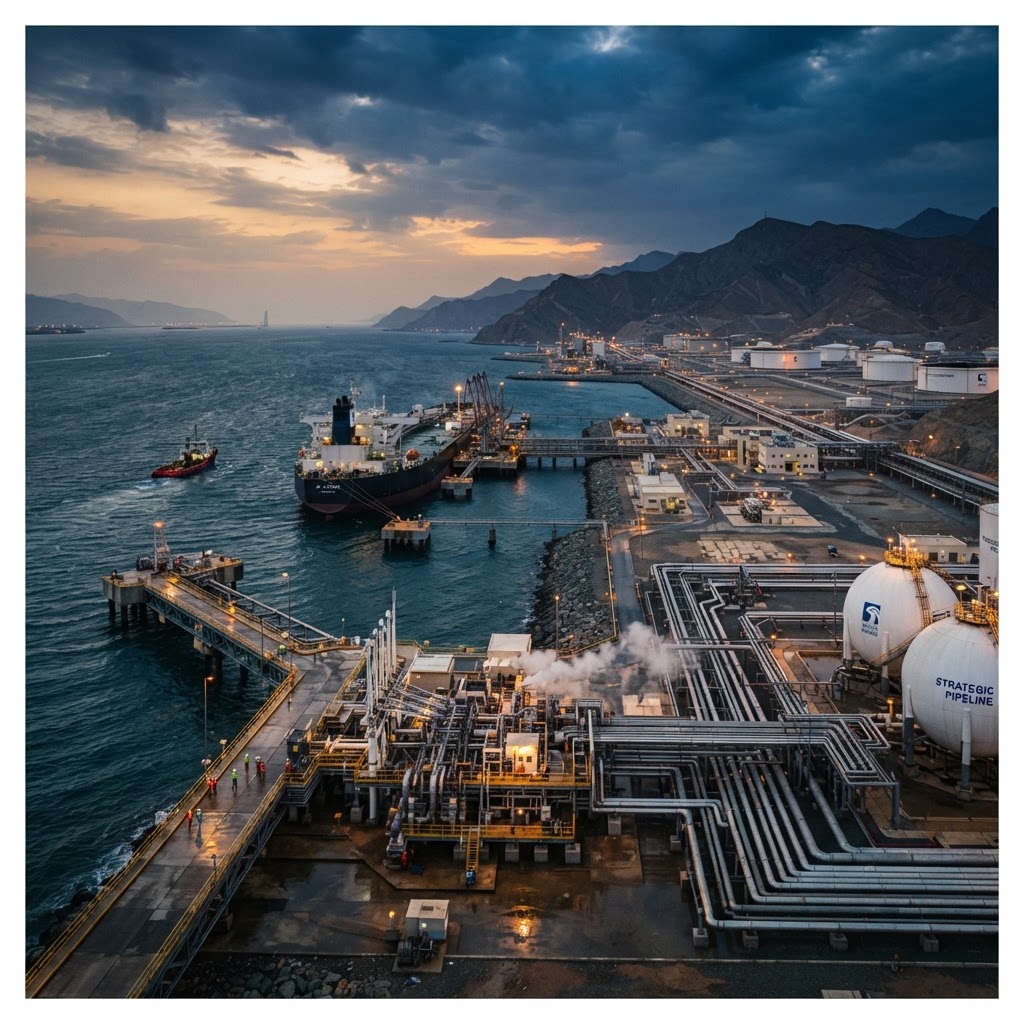
As geopolitical tensions rise, the Middle East's focus on diversifying oil export routes is no longer just a contingency plan—it is a fundamental requirement for global energy security.
The recent escalation in regional tensions, coupled with ongoing concerns regarding the security of the Strait of Hormuz, has brought the issue of energy infrastructure resilience to the forefront of strategic planning. For energy consultants and project developers in the GCC, the message from recent market volatility is clear: the reliance on singular, vulnerable maritime chokepoints is a risk that the global market can no longer afford to ignore.
Recent reports indicate that major producers, most notably Saudi Arabia, are aggressively pursuing bypass capacity, including the conversion of gas pipelines to handle oil flows. This shift represents a significant engineering and capital investment challenge. Converting existing infrastructure requires meticulous integrity management and flow assurance studies to ensure that systems designed for gaseous hydrocarbons can safely and efficiently transport crude oil. From an engineering perspective, this is not merely a matter of valve adjustments; it involves complex re-engineering of pumping stations, metering skids, and corrosion mitigation strategies.
Beyond the technical hurdles, this trend signals a broader strategic pivot. As the IMF and other global bodies highlight the necessity for increased investment in alternative export routes, we are seeing a transition from 'just-in-time' logistics to 'just-in-case' infrastructure. For our clients, this means that project delivery frameworks must now prioritize redundancy and modularity. The ability to reroute supply is becoming a key differentiator in project bankability.
Furthermore, this infrastructure evolution is inextricably linked to the energy transition. While the immediate focus is on oil security, the long-term strategy involves integrating these bypass networks into a more flexible, multi-modal energy grid. As we advise our partners on capital allocation, we emphasize that investments in pipeline resilience today are foundational to the energy systems of tomorrow. The goal is to build a robust architecture that can withstand geopolitical shocks while simultaneously supporting the gradual integration of lower-carbon energy carriers. In this volatile climate, resilience is the ultimate competitive advantage.
Source: https://www.oilandgasmiddleeast.com/news/imf-hormuz-bypass-oil-exporters