Strategic Resilience: Saudi Arabia’s Pivot to Hormuz-Bypass Infrastructure
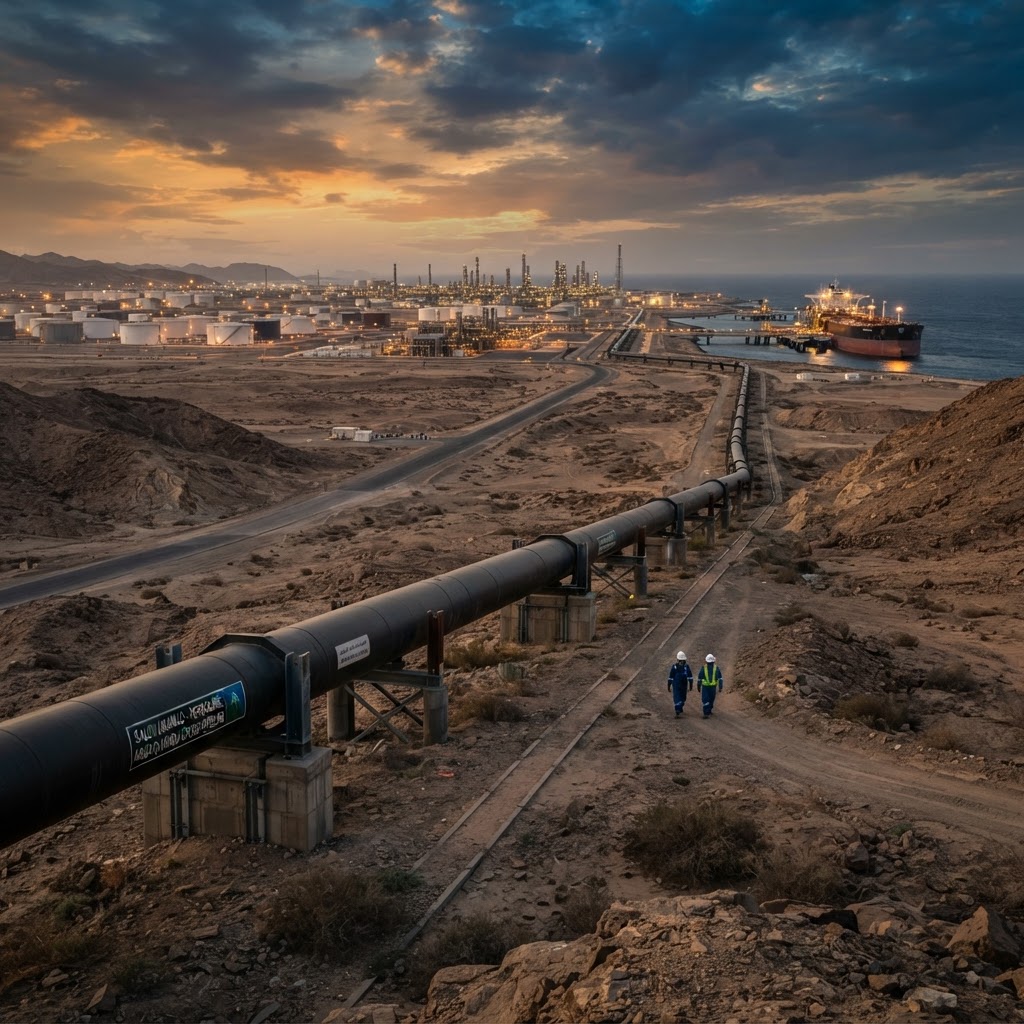
As geopolitical tensions fluctuate, Saudi Arabia’s aggressive expansion of oil pipeline capacity to bypass the Strait of Hormuz marks a critical shift in regional energy security and project delivery strategy.
In the current climate of heightened regional volatility, the strategic imperative for energy security has never been more pronounced. Recent reports indicate that Saudi Arabia is accelerating its efforts to bolster export resilience by repurposing existing gas pipelines to handle crude oil flows. This initiative, aimed at adding 1.2 million barrels per day of bypass capacity by year-end, is a masterclass in leveraging existing brownfield assets to solve complex logistical challenges.
Engineering for Continuity
For engineering consultancies and project stakeholders, this development underscores a vital shift in capital investment priorities. The focus is moving away from purely capacity-driven expansion toward infrastructure that offers operational flexibility and risk mitigation. By repurposing infrastructure, the Kingdom is not only optimizing capital expenditure but also significantly reducing the lead time required to bring critical export routes online.
The broader goal—to expand total bypass capacity to 10 million barrels per day within the next three years—represents a massive undertaking in pipeline engineering and integrity management. For Atticus Energy, this serves as a reminder that the most valuable projects in the current Middle East landscape are those that provide 'optionality' in the face of supply chain disruptions.
Strategic Implications for the GCC
This move is not merely a tactical response to immediate threats; it is a long-term strategic repositioning. As we advise our clients on project delivery, we must emphasize that the 'energy transition' does not mean abandoning traditional infrastructure. Instead, it requires a dual-track approach: maintaining the reliability of hydrocarbon exports while simultaneously integrating digital monitoring and adaptive engineering to ensure these assets remain viable in a changing geopolitical landscape. The ability to pivot infrastructure usage—as seen with the gas-to-oil pipeline conversion—is a capability that will define the next decade of energy project success in the GCC.