The EPC Evolution: Balancing Scale and Complexity in the Middle East
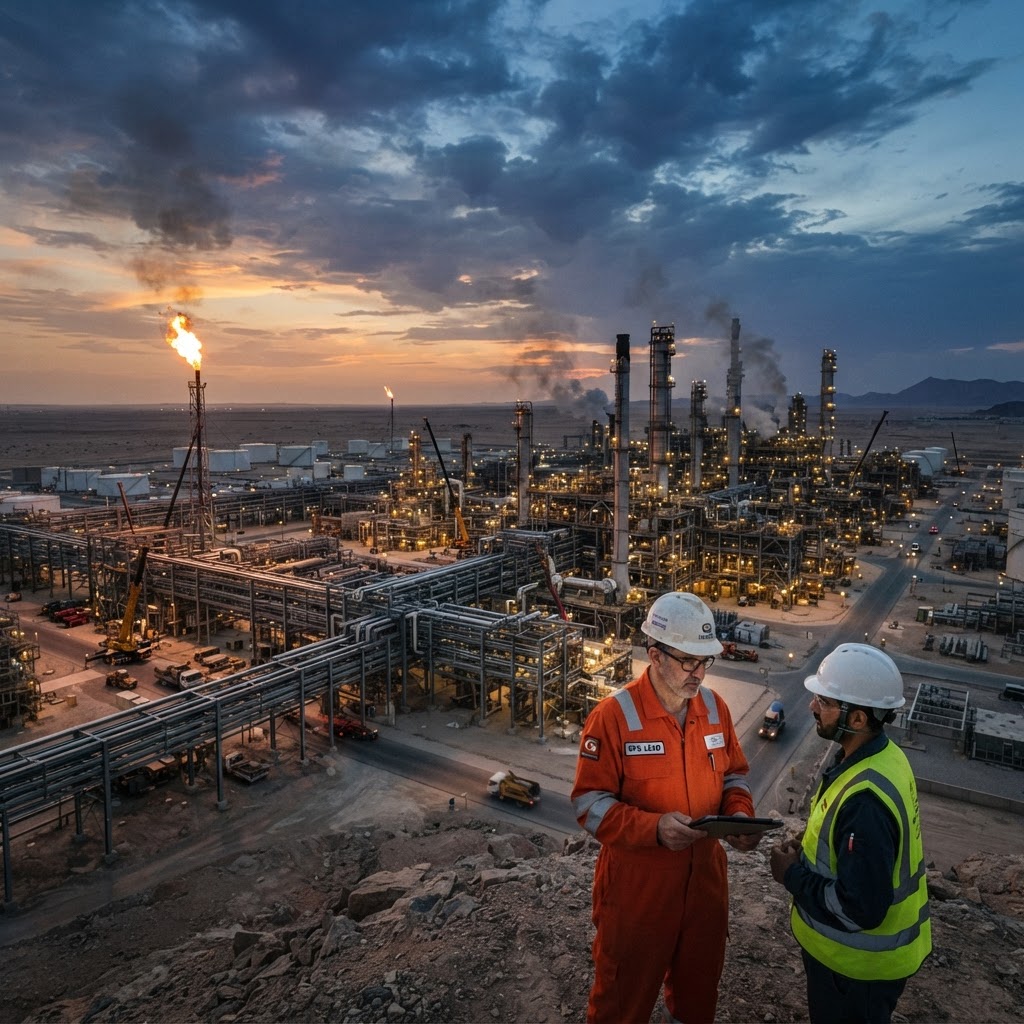
With major EPC contracts being awarded across the region, the focus for project leaders must be on supply chain integration and the adoption of digital project management tools.
The recent surge in major Engineering, Procurement, and Construction (EPC) contract awards across the Middle East signals a robust appetite for capital investment, despite the broader global economic headwinds. As firms like Técnicas Reunidas and other global contractors secure significant upstream production facility projects, the industry is entering a phase of intense activity. For Atticus Energy, this represents a critical juncture where the quality of project management will determine the success of these multi-billion dollar investments.
The Challenge of Execution
The primary challenge facing our clients today is not the lack of capital, but the complexity of execution. We are seeing a tightening of the supply chain for specialized components, and the competition for skilled engineering talent is at an all-time high. When a national oil company awards a major EPC contract, the immediate pressure is on the detailed engineering and procurement phases. Any delay in these early stages has a compounding effect on the construction timeline, often leading to significant cost overruns.
To mitigate these risks, we are advocating for a more integrated approach to project delivery. This involves moving away from siloed procurement processes and toward a collaborative model where the EPC contractor, the technology provider, and the owner’s engineering team work within a unified digital environment. By leveraging digital twins and real-time project monitoring, we can identify bottlenecks before they manifest on the construction site. This is not merely a digital upgrade; it is a strategic necessity for maintaining project margins in an inflationary environment.
Sustainability as a Project Driver
Furthermore, the nature of these EPC projects is changing. We are no longer building for the status quo. The integration of intelligent energy systems and the electrification of industrial processes are becoming standard requirements in tender documents. As we assist our clients in navigating these requirements, we emphasize that sustainability is not a regulatory burden—it is a performance driver. Projects that incorporate energy-efficient design from the outset are seeing lower operational expenditures (OPEX) and are better positioned to meet the stringent ESG reporting standards that international investors now demand.
As we look toward the remainder of 2026 and into 2027, the Middle East remains the global epicenter for energy project delivery. The successful delivery of these projects will require a blend of traditional engineering rigor and a forward-looking strategic mindset. At Atticus Energy, we remain committed to helping our clients bridge this gap, ensuring that their capital investments deliver value in an increasingly complex and interconnected global energy market.